

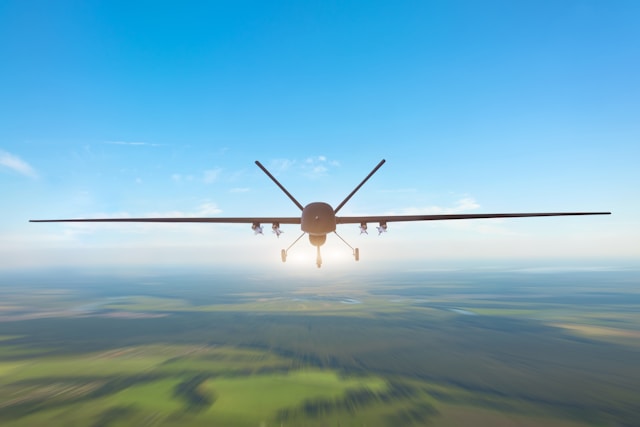
The U.S. Customs and Border Protection (CBP) agency is significantly expanding its use of small, portable drones as part of its border security technology portfolio. Moving beyond reliance on large, costly systems like the MQ-9 Predator drone, CBP is building a distributed aerial surveillance network composed of lightweight unmanned aircraft designed for rapid deployment and real-time data transmission to ground units. These uncrewed systems are ruggedized for difficult environments and integrate cameras, infrared sensors, and mapping tools that allow agents to detect movement in deserts, along waterways, and across other hard-to-reach terrain.
This shift reflects a broader technological emphasis: smaller drones that can be launched by individual teams and remain operational in extreme conditions are becoming standard tools rather than experimental instruments. Flight logs show that CBP already operates approximately 500 small drones, underscoring how deeply the technology has been woven into daily border operations.
Enhanced Connectivity and Field Integration
Unlike earlier drones that primarily collected footage for later review, today’s systems are built to deliver actionable intelligence instantly. Once airborne, these unmanned aircraft feed live imagery and location data directly into the digital systems that agents use on the ground. This allows field units to adjust tactics based on current conditions, significantly improving situational awareness.
CBP’s modernization effort isn’t abandoning larger drones. The agency has recently expanded its contract ceiling to potentially acquire additional MQ-9 aircraft, which can remain aloft more than 27 hours at a time and carry complex sensor payloads for long-range surveillance. This combination of long-endurance platforms and agile, short-range drones creates a tiered system of aerial observation covering both broad geographic expanses and localized, hard-to-reach areas.
Technological Synergy with Other Systems
The small drone initiative does not exist in isolation. Federal planning documents indicate that CBP is layering these systems with other advanced technologies such as AI-enhanced mobile surveillance vehicles, which use radar and automated object detection to extend monitoring beyond fixed towers. These mobile units can operate in remote areas and feed data into a unified surveillance architecture that blends aerial and ground sensors seamlessly.
The integration of AI and autonomous detection highlights how border surveillance is evolving beyond simple observation toward a networked system that generates insights with minimal human input. In theory, this allows more efficient allocation of human personnel while preserving persistent coverage across varied terrain.
Broader Applications and Civil Liberties Considerations
Reports indicate that CBP’s drone deployments have not been confined to traditional border zones. Flight records show use of unmanned aircraft in contexts such as monitoring protests or assisting internal law enforcement missions. These broader applications reveal how technologies developed for one purpose can migrate into wider federal use, a pattern that has raised concerns among privacy and civil rights advocates.
While the Department of Homeland Security (DHS) maintains that such tools enhance operational safety and efficiency, critics worry about mission creep when surveillance capabilities extend into domestic settings. Questions about data governance, oversight, and the balance between security and individual rights are emerging alongside rapid technological adoption.
Technology Challenges and Future Uncertainties
Despite the clear advantages of small drones in real-time detection and adaptability, limitations remain. Small unmanned systems often have shorter flight durations and narrower sensor ranges compared to larger models. Weather conditions such as high winds, dust, or extreme heat can affect performance, potentially limiting consistent operation in certain environments. Additionally, integrating multiple platforms such as aerial drones, mobile sensor trucks, fixed towers into a coherent system presents technical and logistical hurdles that require ongoing refinement.
Another area of uncertainty lies in how these technologies will be governed. As surveillance tools become more capable and autonomous, questions about data privacy, retention policies, and oversight mechanisms will become increasingly central to public debate.

Technology as Operational Force Multiplier
In the final analysis, CBP’s expanded use of small drones illustrates a broader shift in how technology is applied to national security challenges. These systems function as force multipliers, giving individual agents enhanced sensory reach and situational awareness. By rapidly deploying drones that complement existing aerial assets and ground sensors, the agency aims to create a resilient surveillance network that can adapt dynamically to changing conditions.
However, the rapid pace of adoption also demands careful policy attention and transparent frameworks that balance operational needs with constitutional protections. As the technological landscape evolves, so too must the governance structures that ensure these tools serve the public interest without eroding civil liberties.


